
women
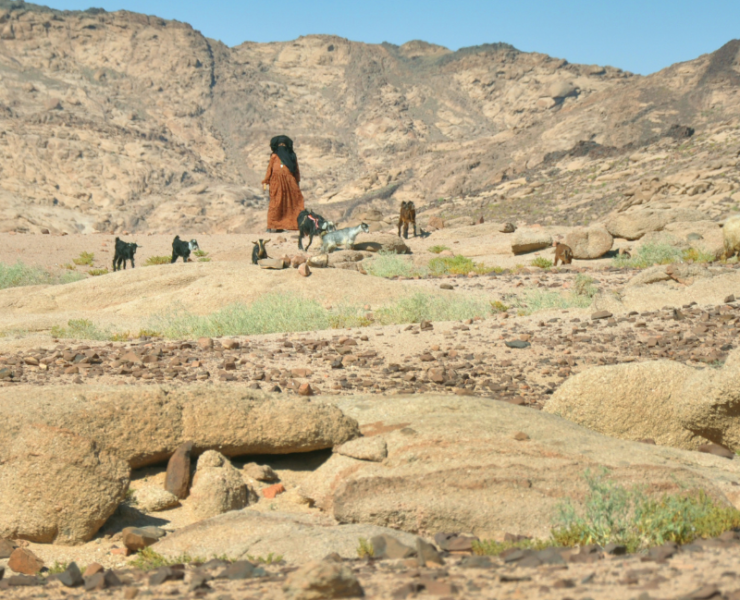
Bedouin women’s poetry is a rich, if little-known tradition of verse that stretches from Pre-Islamic Arabia all the way to the present day. While known within the Gulf and preserved in local communities, it rarely receives large-scale attention, generally because the emotional lives of women are considered culturally sensitive.
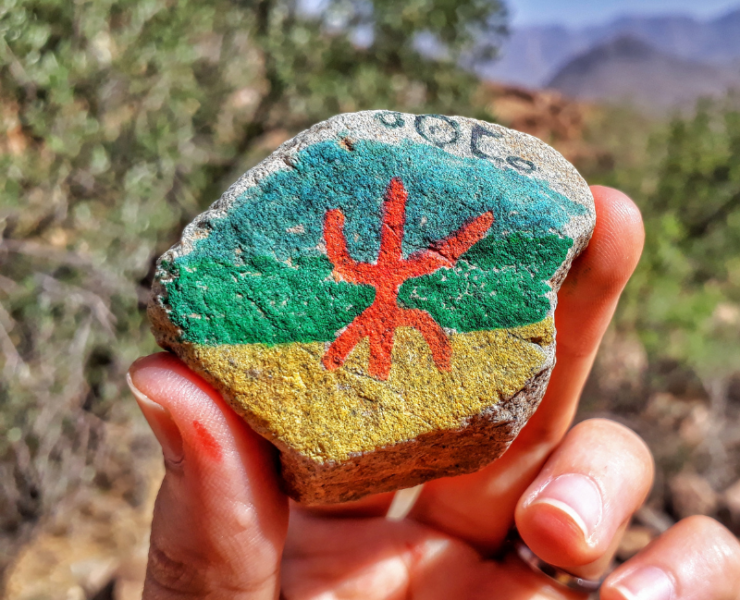
This week we’ve teamed up with Amazing Amazigh to share the story of Dihya, the legendary Amazigh queen and warrior. Amazigh (or Imazighen) is the name given to the indigenous people of North Africa. Scroll down to read all about Dihya’s role in the history of North Africa and how she became a symbol of Amazigh resistance and a Maghribi (North African) feminist icon!
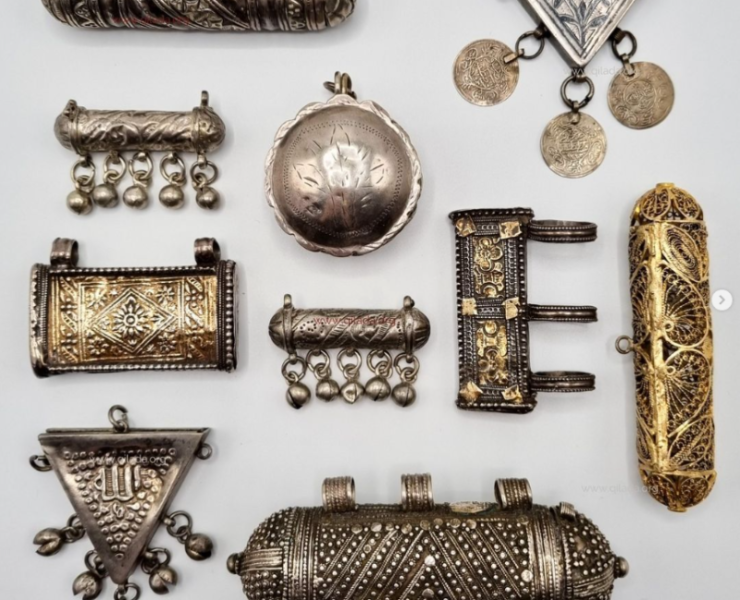
Jewellery in the Middle East and North Africa has always played a far more significant role than just that of adornment. One of its most valued functions was that of portable wealth, a practice that finds its origin in the times before finances almost automatically included monetary currency and banks. As such, jewellery was a major factor in women’s financial independence.
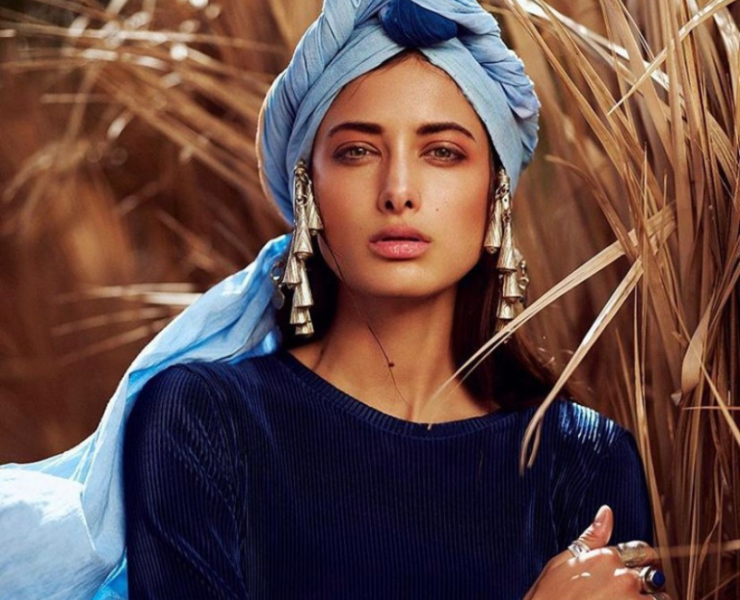
If you’re in need of a little inspiration to finish 2020 strong (or at all), here are 7 unstoppable Arab women who are achieving incredible things in their industries, which range from media, art, food and fashion to science, journalism, politics the humanitarian sector.
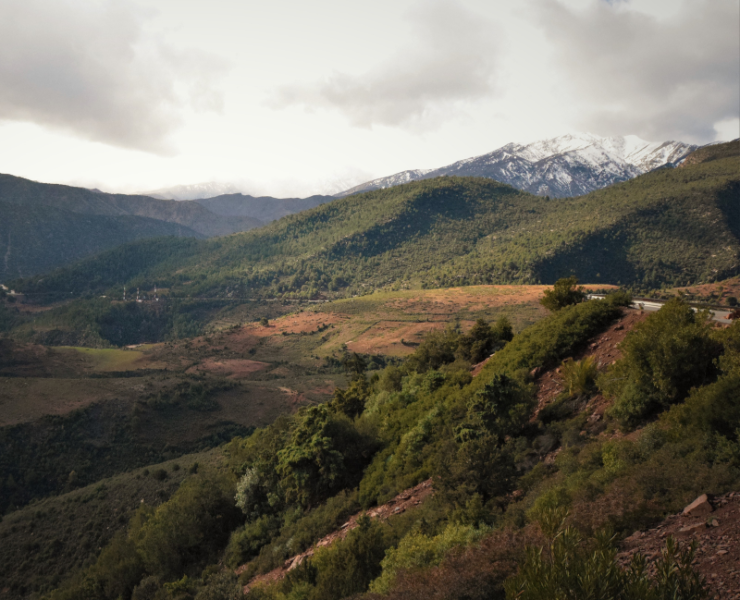
In May 2020, Pink Jinn shared some of the stories of life during lockdown for girls living in the remote Atlas Mountains. We’re delighted to offer an update on the situation of the girls, which highlights the power of simple technology and online fundraising platforms to make a huge difference to these girls’ futures.
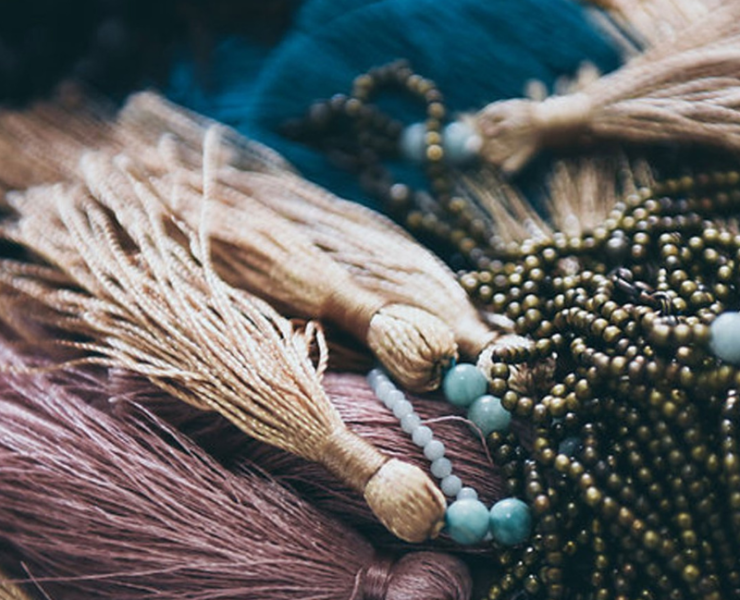
At Pink Jinn, we are all about supporting small businesses, women-owned businesses and social enterprises. Here’s a list of some of our favourite socially conscious brands from the Middle East and North Africa which provide fair wages and employment opportunities to local people – particularly women and refugees.
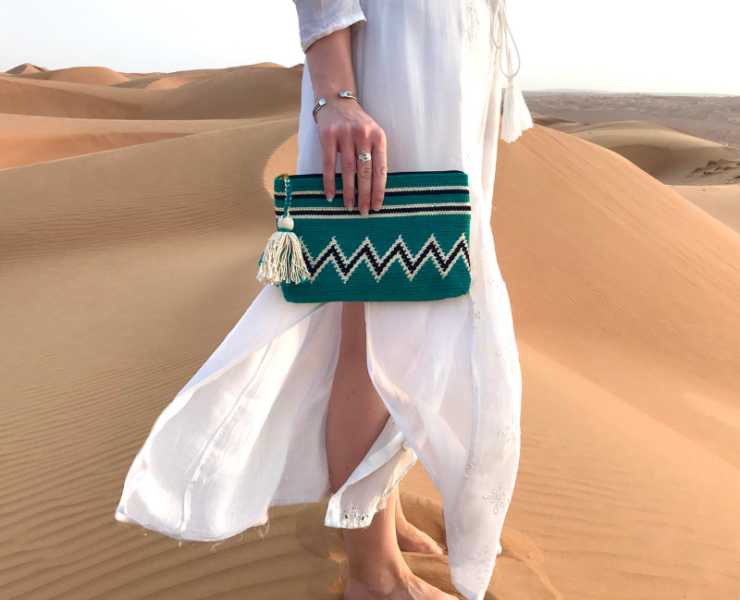
We are delighted to introduce to the Pink Jinn Souq two new products: The DAMASCUS and PALMYRA crochet clutch bags. These beauties were made by a women’s cooperative in Syria which provides employment to women who have lost their livelihoods as a result of the conflict.
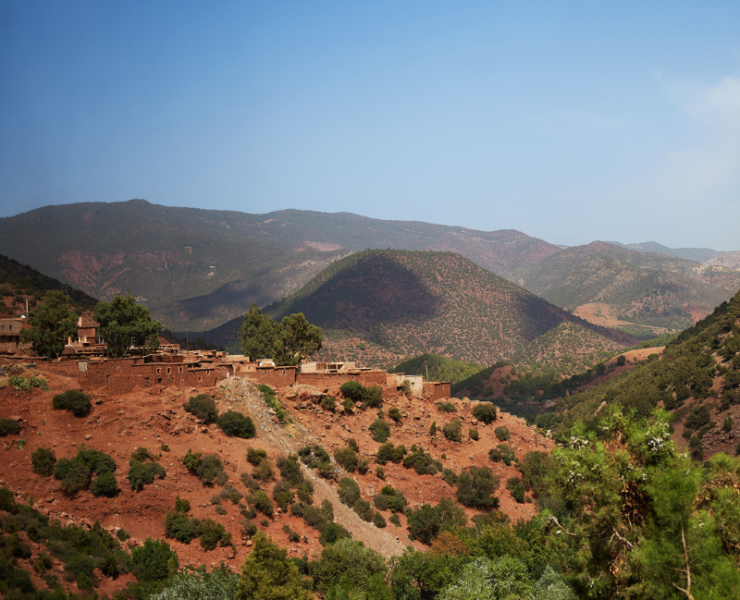
With Covid-19 causing chaos throughout the world, we decided to conduct a series of interviews with people across the Middle East and North Africa to try to understand how the effects are being felt across the region. In this article, we hear how the pandemic is affecting young women in the High Atlas Mountains of Morocco.
With Covid-19 causing chaos throughout the world, we decided to conduct a series of interviews with people across the Middle East and North Africa to try to understand how the effects are being felt across the region. In this interview, Saudi fitness instructor and entrepreneur Halah Hamrani (FLAGBOXING) shares her reflections.