

After several decades of being closed to tourists, Saudi Arabia is opening up to the world again. The Kingdom is full of hidden cultural gems, some of which are benefiting from extensive government investment to make them tourism hotspots, while others remain under the radar.
I lived in Saudi Arabia for two years and in that time, I tried to explore as much of the country as my holidays would allow. These are my four favourite heritage hotspots in the Kingdom.
AlUla
It’s difficult to describe AlUla to those who have never visited. There is nothing else like it on the planet. The area offers a set of experiences that can transport the visitor across thousands of years of history.
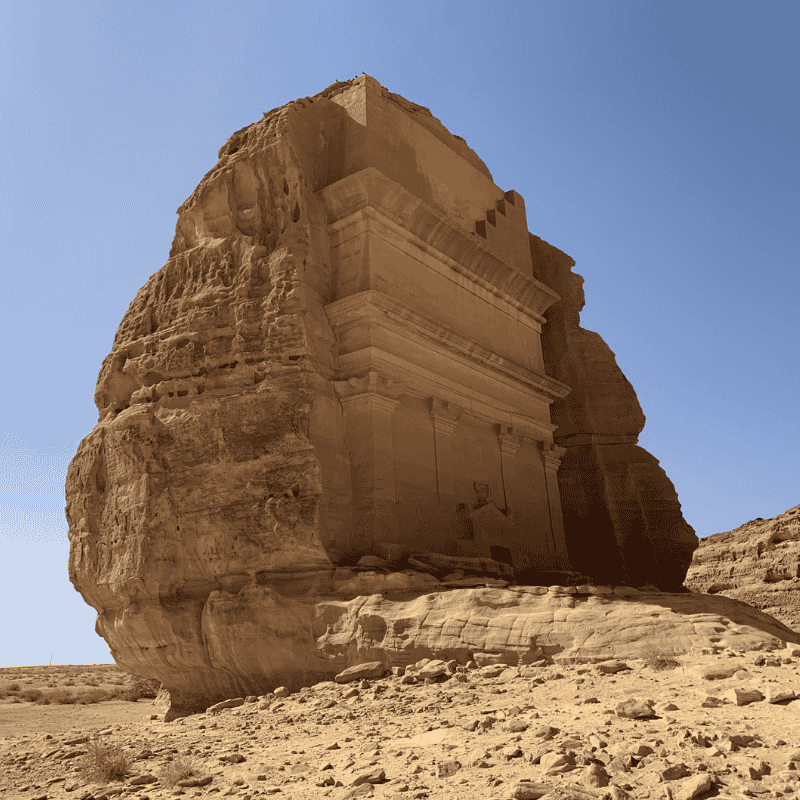
AlUla is a desert oasis in north-west Saudi Arabia, famous for its date and orange plantations. The oasis has also been a thoroughfare for ancient civilisations: Jebel Ikmah is coated in inscriptions and rock art, including a famous carving of the gorgon from Greek mythology, Medusa – which demonstrates a cultural exchange network that dates back thousands of years. The site of Hegra is home to hundreds of Nabatean tombs – the same civilisation that built the famous complex at Petra.
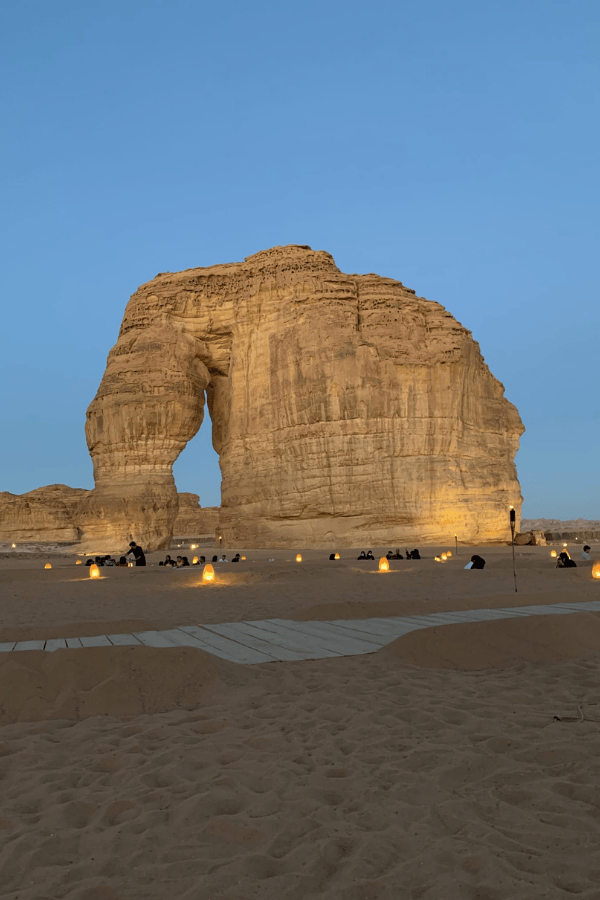
Aside from historical landmarks, the experience of the landscape itself offers a timeless quality: the area is dotted with rock formations in unusual shapes, like the famous ‘Elephant Rock’, that must have served as stopping points for desert caravans and now serves as a romantic spot for couples and families to watch the golden sunset.
Fast forward to modernity, and the Maraya concert hall presents yet another otherworldly experience: its exterior is clad in mirrors, creating a permanent mirage and a structure that serves to reflect the natural beauty of its desert setting, rather than interrupt it.
AlUla is the beneficiary of significant government investment and even has its own Royal Commission to oversee its development. There are new activities and art installations every year to attract a diverse range of domestic and international visitors. Visiting AlUla is a significant financial investment, but the experience is unparalleled.
Hofuf
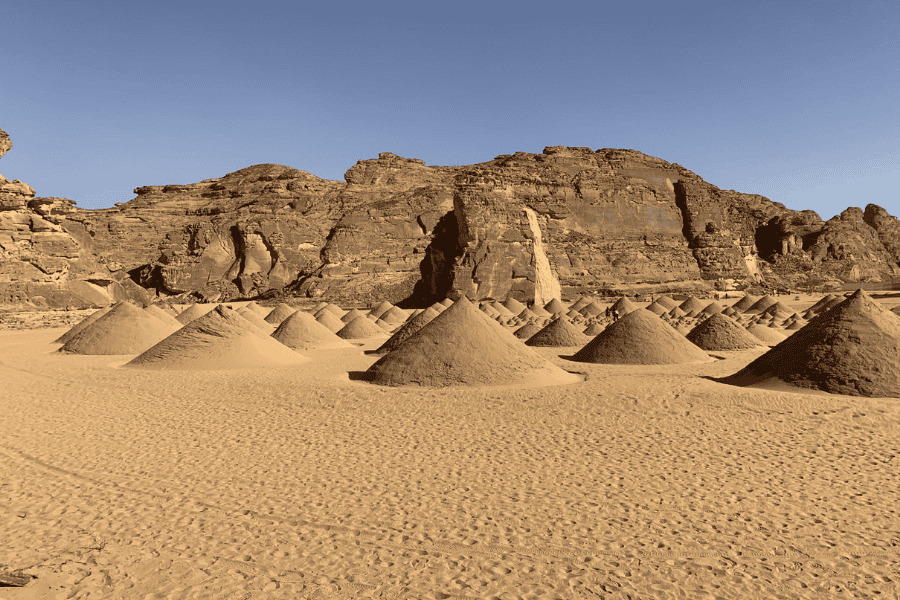
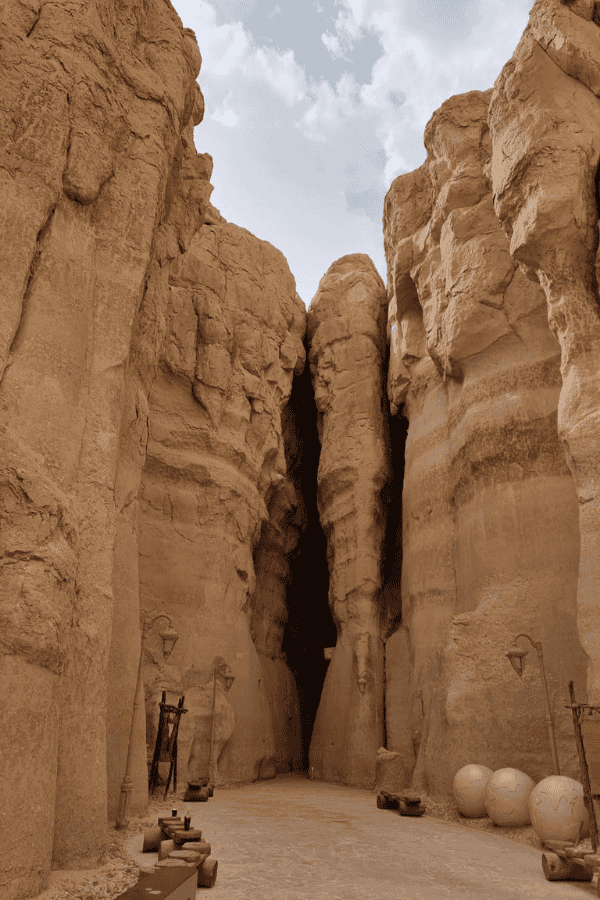
There’s much more to Saudi Arabia than the desert! And nowhere proves that better than Hofuf, home to one of the world’s largest date plantations. Its natural abundance of water results in open water channels flowing through the town – a rare sight in this part of the world. At the centre of the old town is the Al Koot Heritage Hotel, a tiny boutique hotel with traditional decorations, cosy rooms and delicious dinner spreads. Around the corner from the hotel is the old souq, its shops manned by multi-generational traders. A short drive from the town centre is the Al Qara mountain: climbing this rocky outcrop offers a brilliant view of the green, lush date farms, but the real attraction lies under the mountain in its cave systems. These remain the same temperature all year round – a godsend when the temperature starts pushing fifty degrees centigrade – and were traditionally used for tribal council meetings.
Buraidah
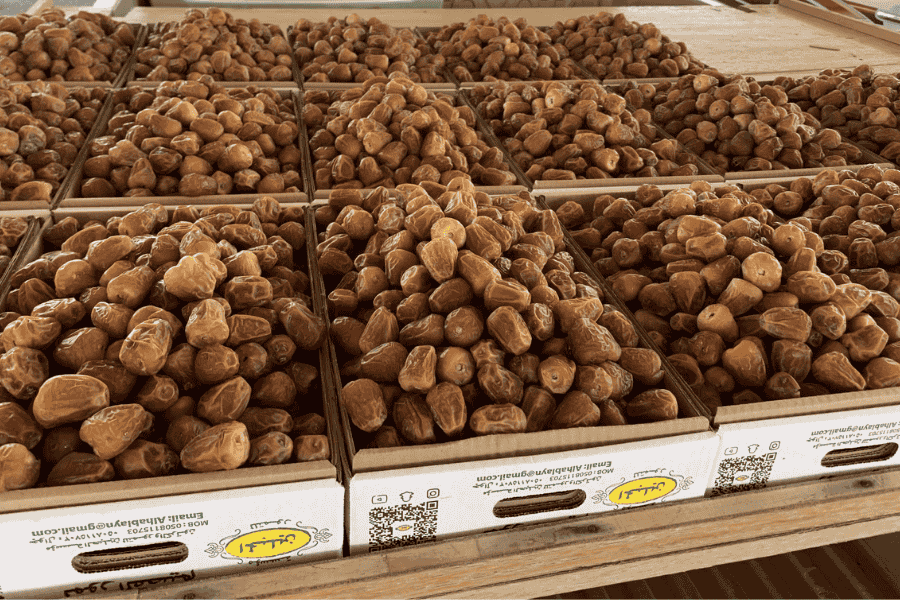
Many choose to leave Saudi Arabia for the summer, when the nights are barely cooler than the days and there’s a risk that your car steering wheel might singe your hands. But it’s worth staying until at least the first weekend in August for the Buraidah Date Festival. Date growers and camel breeders converge on this city in Qassim province – an area known as the breadbasket of Saudi Arabia – to market their wares at open-air trade fairs. Buraidah’s reputation for social conservatism goes hand-in-hand with the overwhelming generosity of its hospitality. As well as the camel market and the date festival, it’s worth visiting a local strawberry farm and one of the area’s heritage houses or museums, such as the Unaizah Heritage House or the Aloqilat Museum, both of which preserve the traditional lifestyle, culture and stories of the local community.
Al Hariq
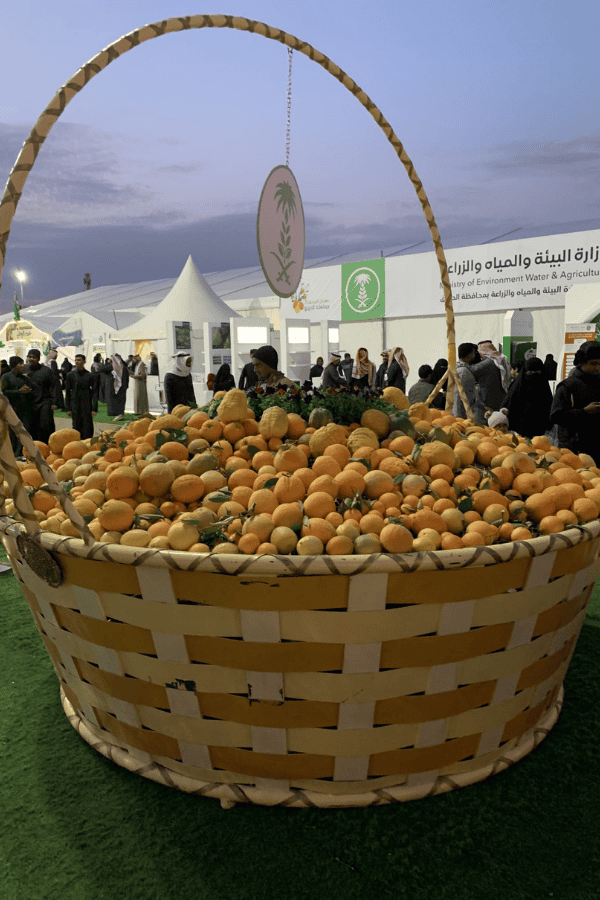
Riyadh, the capital of Saudi Arabia, is situated on a plateau 2,000m above sea level. This is difficult to appreciate in the midst of the urban sprawl, but by driving a couple of hours out of the city, the landscape opens up into a collage of cliffs and wadis, which are dotted with walking trails – some of which have been traversed by nomads and shepherds for thousands of years. Al Hariq is a town south of Riyadh which offers just such walking trails, across a breathtaking landscape that delivers a humbling perspective on humanity’s place in the natural world. Al Hariq is also home to several orange farms, the produce of which is celebrated in an annual Citrus Festival, which takes place in early January. Fruit growers from all over the region converge to sell fat strawberries, pocked oranges, knobbly lemons and dark local honey. Each burst of colour and flavour is a lesson in the bountiful potential of this beautiful Gulf country, hitherto bypassed by foreign travellers.
Saudi Arabia is fast finding its place on the global travel map, and for those with a curiosity for culture, history and landscapes that defy expectation, it offers an experience unlike anywhere else. From the ancient inscriptions of AlUla to the citrus groves of Al Hariq, these heritage hotspots reveal a side of the Kingdom that foreign travellers are only just beginning to discover. For those willing to dig beneath the surface, Saudi Arabia promises not just awe-inspiring sights, but moments of genuine connection – with nature, with history, and with a country retelling its story in its own words.
If you’ve visited before we’d love to hear about it, and of course let us know if any of these hotspots have made it onto your itinerary!
Zenia Duell is a documentary producer and communications consultant, who moved with her husband to Saudi Arabia in 2021. She spent two happy years living and working in Riyadh and exploring the Kingdom. She now lives in the UK with her husband and daughter – who was born in Riyadh.

If you enjoyed this article, you may also like:
From the Coast to the Cosmos | Saudi Freediver Nada Alrasheed