

As the war with Iran continues to intensify, the eyes of the world are on Southwest Asia. Economic warfare and energy prices dominate international headlines, with scant attention paid to the people and communities most affected by rising violence across the region.
From Lebanon to Iran, communities already shaped by decades of political instability, economic collapse and cycles of conflict are navigating yet another layer of violence and uncertainty. For women across the region, those pressures are felt with particular acuity. Yet still, they are creating. Leading businesses, preserving their heritage, and showing up for the people around them.
For this article, we spoke with some of the women business owners from across Pink Jinn’s network in the region who are continuing to create, lead their teams through uncertainty, and support their communities in the face of violence, displacement, bombardment, occupation and economic crisis.
Lebanon: Navigating war without a safety net
In Lebanon, decades of war, political instability and economic crisis have prevented many from accessing economic opportunities and social mobility, with the most vulnerable facing the devastating impacts of poverty, displacement and violence. The waves of Israeli violence and conflict with Hezbollah since October 7th 2023 have retraumatised a population barely recovering from past wars and crippling economic crises.
Since the end of February 2026 when the bombing of Iran began, Israel has capitalised on the world’s diverted attention, unleashing fresh horrors on the people of Lebanon. Over a million people are currently displaced, and senior Israeli political figures have threatened to inflict the same destruction on parts of the country – including the southern part of the capital, Beirut – as they have done with impunity in Gaza.
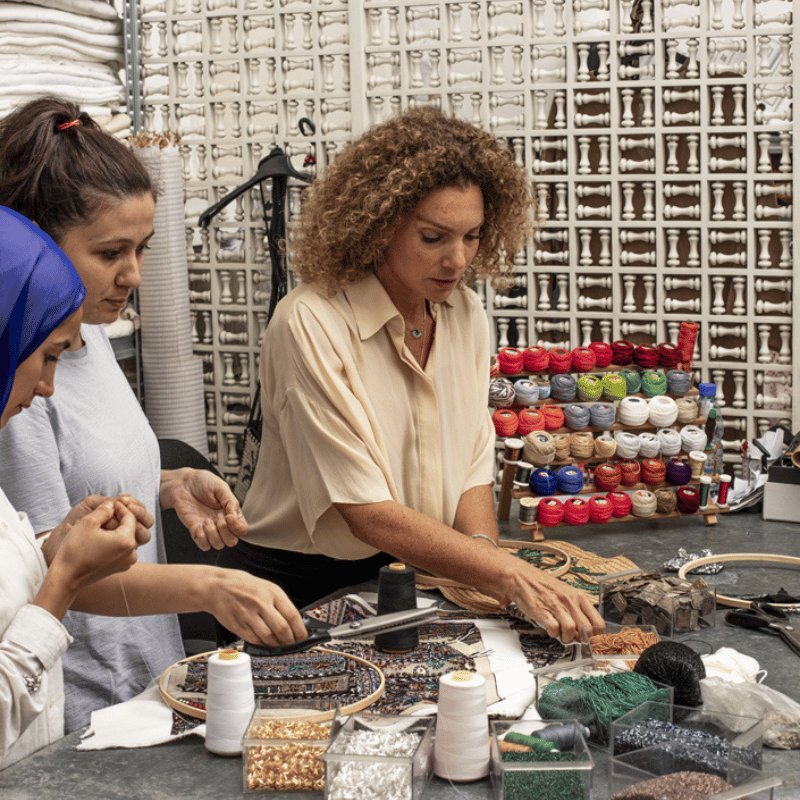
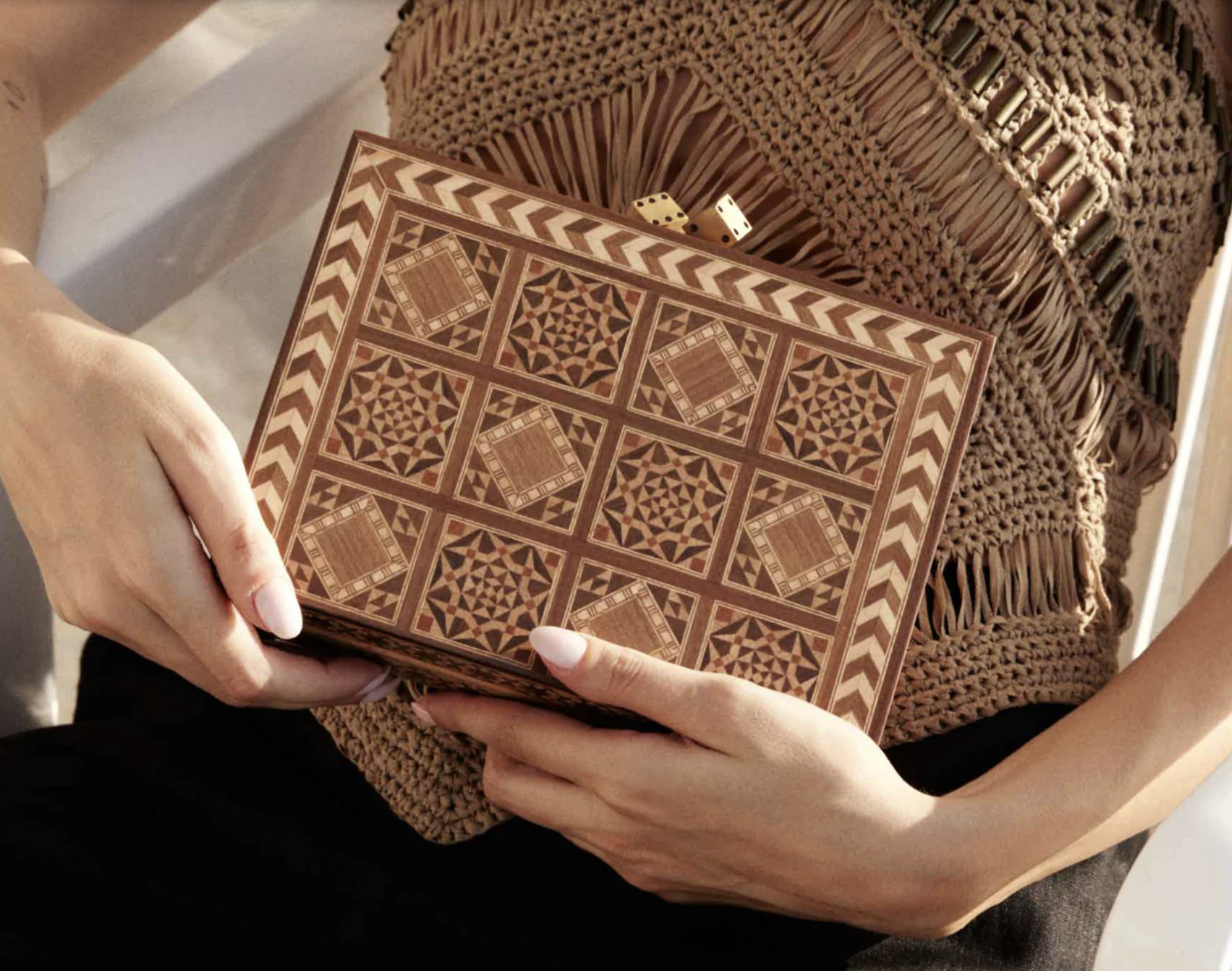
Sarah Beydoun is the founder of Sarah’s Bag, a Beirut-based social enterprise whose handcrafted bags and accessories represent livelihoods for the women who make them. Founded on the belief that craft can be a vehicle for economic dignity, the brand has spent years working with female prisoners and marginalised women across Lebanon with limited alternative pathways to financial independence.
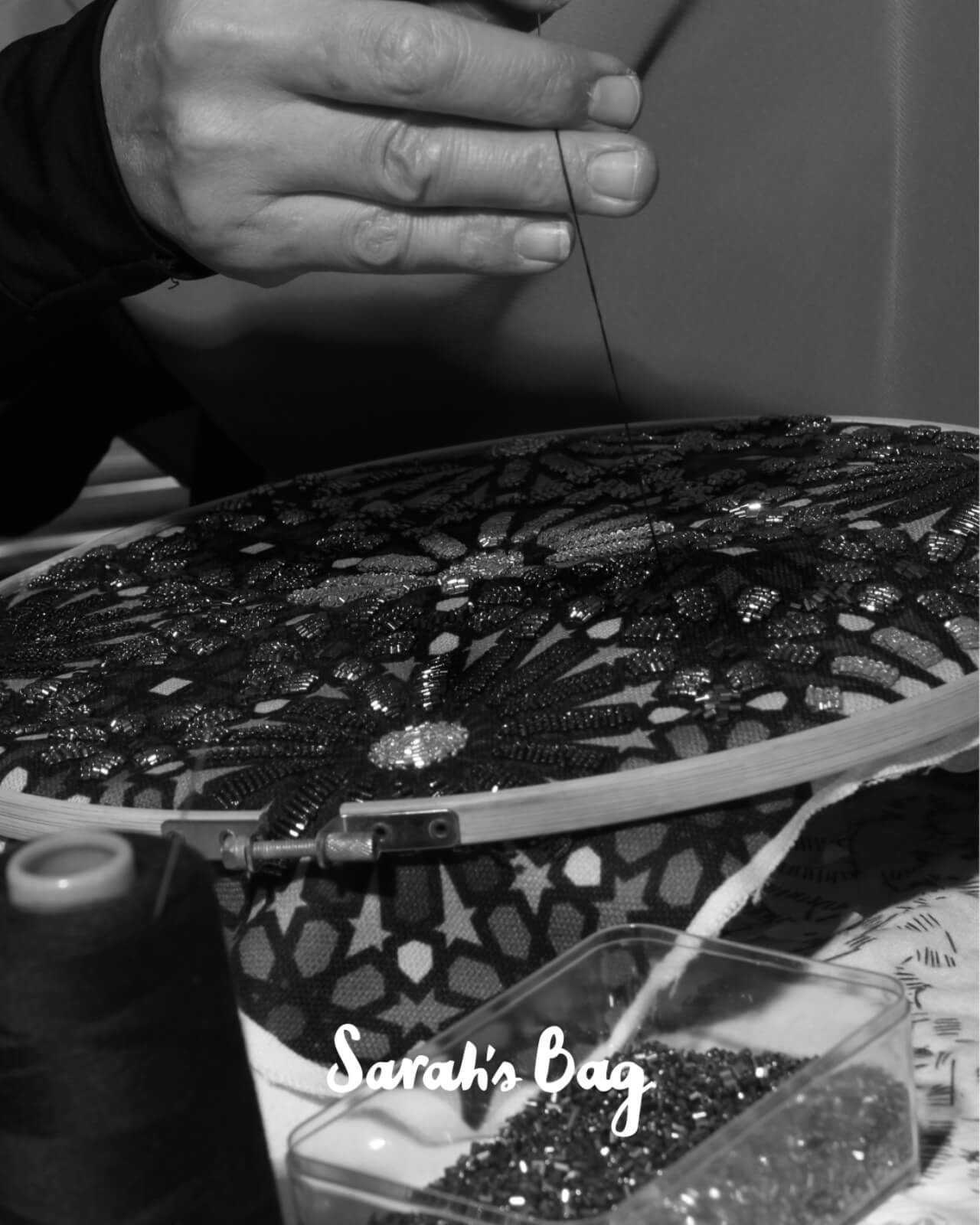
Since the escalation began in March 2026, more than 40% of Sarah’s artisans have been displaced from their homes, leaving many with only what they could carry. Thirty-two families have been uprooted. The Sarah’s Bag boutique in Beirut, dependent on tourists and the Lebanese diaspora, has fallen silent. GCC sales – historically the brand’s most reliable lifeline – have collapsed alongside the region’s wider economic disruption. It is, Sarah notes, the first war the company has navigated without that safety net.
What followed was an immediate, instinctive response rooted in the same values that built the business in the first place. The team collected clothes, shoes, blankets and medicine for displaced colleagues. Clients showed up with generosity that crossed every background and belief. “What stood out,” Sarah says, “was the spirit of solidarity – beyond religion or background, it was about humanity and kindness.”
And still, Sarah and her team’s work continues. Artisans who have been forced from their homes are returning to their craft – not simply out of economic necessity, but because the act of making has become, in Sarah’s words, a form of emotional support and continuity in an otherwise unstable environment. It is a reminder that for many artisans and business owners across the region, creativity is not separate from survival. It is bound up in it.
Sarah is candid about the weight of leading through the current crisis: “War feels even heavier when you are responsible for 30 employees and around 200 families who depend on the business.” She pushes back, too, on an assumption she encounters often – that Lebanese people, having lived through so much, are somehow better equipped to absorb more. “A common misconception is that we are used to war. That resilience somehow makes it easier. The truth is, it doesn’t get easier. Each war adds another layer of trauma that is difficult to shake off.”
For Sarah, this one carries a particular grief. Her mother is from the historic city of Tyre in southern Lebanon, where locals are currently facing Israeli evacuation orders and airstrikes. Economic activity in the city has been halted and the Israeli bombardments are destroying the city’s infrastructure. Sarah’s connection to the city is deep – watching it under threat, she says, feels like losing a part of your roots.
Sarah’s Bag is still here and still functioning. If you want to support the women behind the work, the most direct and meaningful way is to keep purchasing their beautiful creations at sarahsbag.com.
Palestine: Every day, a new barrier to business
In Palestine, artisans and small business owners have long continued to create with the aim of preserving their heritage and creating economic opportunities for local communities – an act of resistance to the daily violence of the Israeli occupation.
Palestinian business owners and artisans routinely see their supply chains disrupted, movement restricted by expanding checkpoints and road closures, and access to markets – both local and international – severely curtailed. Since October 7th 2023, the West Bank has experienced a sharp and deliberate escalation in settler violence, land seizures and military raids, pushing communities already living under occupation to breaking point.
Since Israel began its bombardment of Iran in February 2026, that economic strangulation has deepened further, as regional instability and the world’s shifting attention have left Palestinian communities even more vulnerable, with international solidarity diverted and fewer economic lifelines than ever.
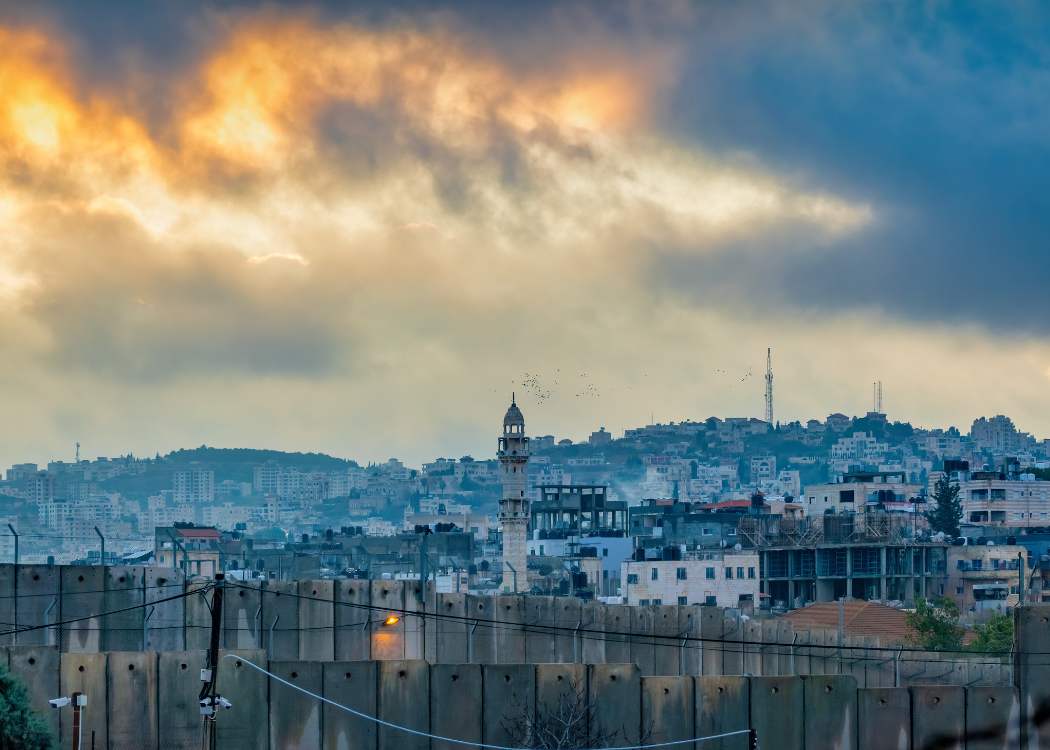
Morgan Cooper is the founder of Handmade Palestine, a fair trade marketplace based in Ramallah that connects conscious consumers with artisans across the West Bank whose work is rooted in Palestinian craft traditions – tatreez embroidery, hand-blown glass, olive wood carving, leather work. It is a platform built on the belief that buying directly from Palestinian makers is itself a political act, a way of sustaining communities whose cultural identity and economic survival is under constant and deliberate pressure.
Morgan describes the occupation as a system specifically designed to make ordinary life untenable – not through a static system of oppression, but through a constantly changing set of barriers and acts of everyday violence against Palestinians: Roads that close without warning. Checkpoints that appear overnight. Settlements expanding into the fields where shepherds graze their flocks and the workshops where artisans source their materials. “The greatest barrier,” she says, “is the instability – you know the barriers are going to keep coming, so you’re always pivoting, always trying to find a solution to today’s problem.”
Ma’an lil-Hayat – meaning “the way of life” – is a Bethlehem-based centre for people with disabilities that produces felted wool pieces, and one of Handmade Palestine’s artisan partners. Their wool comes from sheep farmers in at-Tuwani, a village in the South Hebron Hills that has been subjected to relentless settler violence and military raids. Getting to the farm has become unsafe. Getting the community members to the workshop – through checkpoints, curfews and the ever-present threat of violence – has become dangerous.
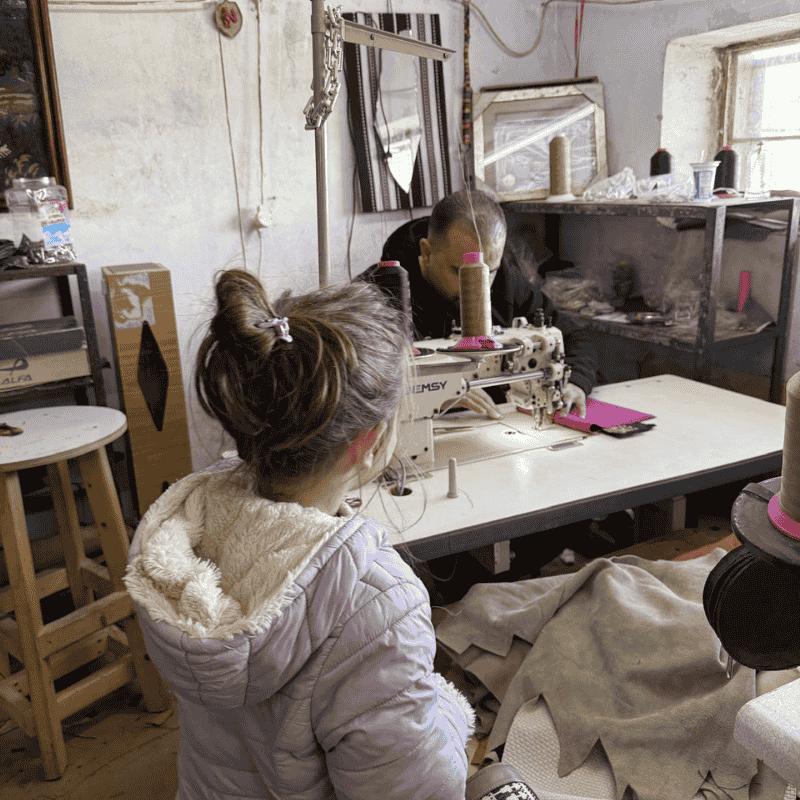
Media coverage of the situation in the West Bank frequently refers to ‘increasing’ levels of settler violence, and the ‘increasing’ barriers facing Palestinians. Yet this word can obfuscate the already dire baseline for many in the West Bank.
“Increasing from what?” Morgan asks, with the exhaustion of someone trying to explain something to people who don’t have to live inside it. “Increasing from what was our normal to something that has become scary – if many times even possible to move at all.”
Handmade Palestine also works with Samidun, a small embroidery and leather project working with a craftsman in Hebron whose workshop sits directly adjacent to the Kiryat Arba settlement. For two years he was barred from accessing his workshop entirely. Meanwhile, a glassblower found the route to his workshop severed overnight when the Israeli military installed three metal gates. Now, a journey that once took five minutes requires either a multi-kilometre walk through gates and checkpoints, or a forty-minute drive through a different set of checkpoints – unavoidable when he needs to move materials in or finished work out by car.
Since February 2026, with international attention consumed by the war in Iran, everything shipped before the escalation has been sitting immobile, unable to reach customers. International shipping, for now, is frozen.
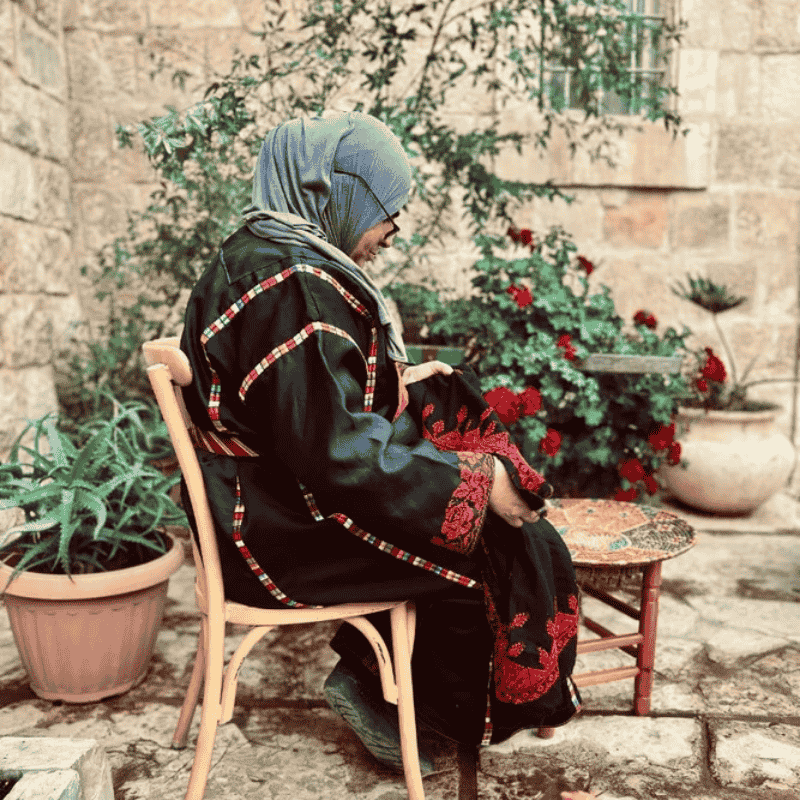
Handmade Palestine also previously worked with artisans in Gaza, among them Atfaluna – the Society for Deaf Children in Gaza City, which had spent over thirty years providing education, vocational training and income to deaf children and adults through a crafts programme producing ceramics, embroidery, weaving and woodwork.
In March 2024, the Israeli military bombed the Atfaluna building – posing with their guns for photos in front of the wreckage. Staff members were killed. The remaining artisan families were displaced to Rafah. UNESCO has since listed it among verified cultural heritage sites damaged since October 7th. What happened to Atfaluna is not disruption, says Morgan – it is annihilation.
Despite the ever-increasing violence and barriers facing their work, Handmade Palestine continues to source from artisans across the West Bank. Buying directly from them is one of the most concrete things you can do to support their work. Visit handmadepalestine.com to browse their beautiful range of handicrafts.
The GCC: Safe but not spared
Meanwhile in the Gulf, countries that have long been portrayed as beacons of peace and stability in the region are also coming under fire, creating new challenges for business owners and creatives trying to continue their work as missiles and drones fly overhead and regional trade remains in a chokehold.
Oman-based Ahlam Al-Khabori is the founder of Baladi Baby, which creates baby products rooted in Arab cultural heritage – born from her own experience of wanting to raise her children to celebrate their Arab identity, in a market where that was simply not reflected.
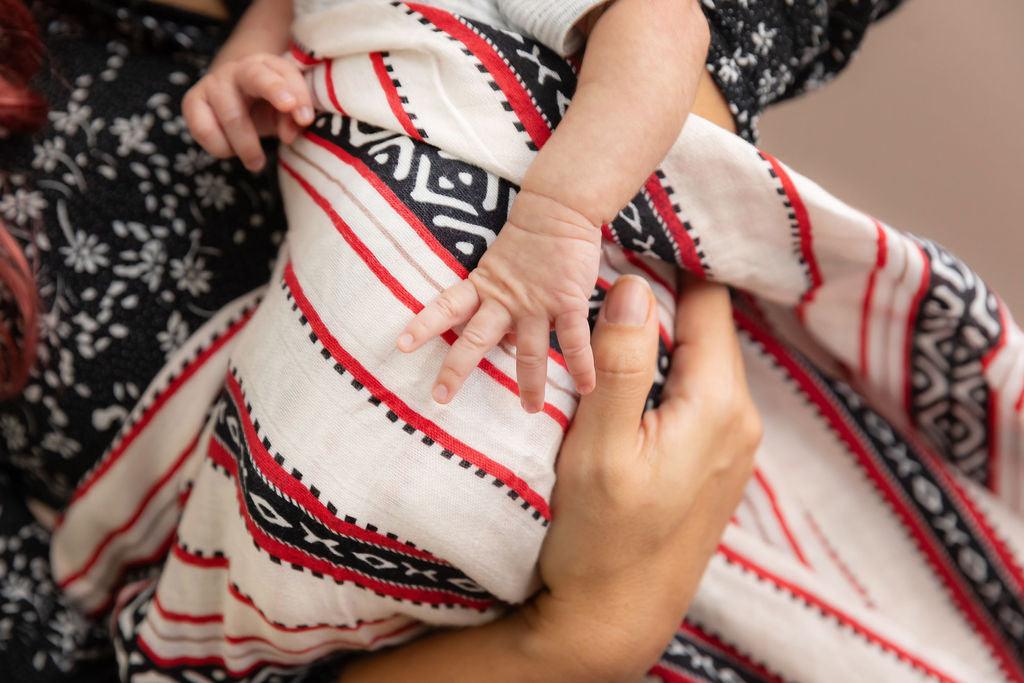
Baladi Baby’s experience highlights that even businesses operating at a relative distance from the ongoing conflict in the region have not been spared the fallout. For Ahlam, the impact has come through in sales, logistics and the relentless daily pressure of managing it all without a team behind her. Her logistics partner suspended international deliveries outside the GCC at the outset, leaving orders to the US and Europe stranded in the UAE.
She has had to cut her advertising – and therefore sales – across the Gulf, while delivery times remain unpredictable, redirecting customers where possible to find her products elsewhere. The first thing she does every morning is chase shipments and respond to messages from customers. For a one-woman operation in an industry where customers want things quickly, the uncertainty is particularly acute.
“You’re trying hard to build a business,” she says, “and something like this comes and it really shakes you, because sometimes things are just out of your control.” What she describes is something many small business owners across the region will recognise: the particular vulnerability of having built something carefully, brick by brick, only to find that forces entirely beyond your control can unsettle it overnight.
You can support Ahlam by purchasing from www.baladibaby.com and follow her entrepreneurial journey on Instagram.
Iran: Blocked from the world
Voices notably missing from this narrative so far are those of Iranian creators and entrepreneurs inside Iran. After months of protests and a brutal crackdown by the Islamic Republic, believed to have murdered tens of thousands of people, Iranians now face the terror of Israeli and American airstrikes, which have already killed scores of innocent civilians across the country.
Since the outbreak of the war at the end of February 2026, the Iranian regime has only intensified the suffering of the Iranian people, imposing internet blackouts that have left Iranians inside and outside Iran disconnected and terrified for the safety of their loved ones. Iranian designer Sara Emami, whose parents fled Tehran in the 1980s and settled in the Netherlands, used her online platform and her position of relative safety in the diaspora to highlight the impact of the blackouts:
“Cutting off the internet for 90 million people in the middle of a war is not just censorship. It means cutting people off from aid, evacuation, warnings, news, and communication with the world. Journalists, researchers, and human rights activists cannot document what is happening. They’re being deliberately blocked from telling the world the truth.”
Emami’s designs, instantly recognisable for their signature blue, are inspired by her Iranian heritage, invoking the colours and motifs of Southwest Asia. She has previously used her Instagram to highlight and show solidarity with women creators and small business owners in Iran, which she believes is its own form of resistance against tyranny and oppression.
The airstrikes and blackouts continued throughout the Persian New Year, Nowruz, which should have been a time of spring cleaning, baking sweets and lighting candles to celebrate new beginnings. Instead of enjoying the usual customary fireworks, Iranians inside Iran spent the holiday bracing for airstrikes and watching their cities burn, while many in the diaspora have been unable to contact their families back home.
Tehran-based design studio NOMA, which creates beautifully handcrafted, contemporary homeware pieces, managed to release a rare message despite the blackout:
You can support Noma arts today by buying their beautiful pieces from Germany-based design house Zilo, which is currently redirecting all of its curation and investment towards collaborating with Iranian artists.
The women in this article are doing what women across SWANA have always done in the face of violence and instability – holding things together, finding ways through, continuing to create when creation itself feels like an act of defiance. Their strength is real, and it deserves to be seen. But visibility alone does not pay wages, cover shipping costs, or replace lost income.
The most meaningful thing anyone reading this can do is buy from these businesses directly, share their work with people who might do the same, and extend patience to the makers and founders who are navigating disrupted supply chains, logistical complexities and the weight of leading teams through crisis – often all at once, sometimes alone. Culture survives because people choose to sustain it. These women have made that choice – let’s meet them there.
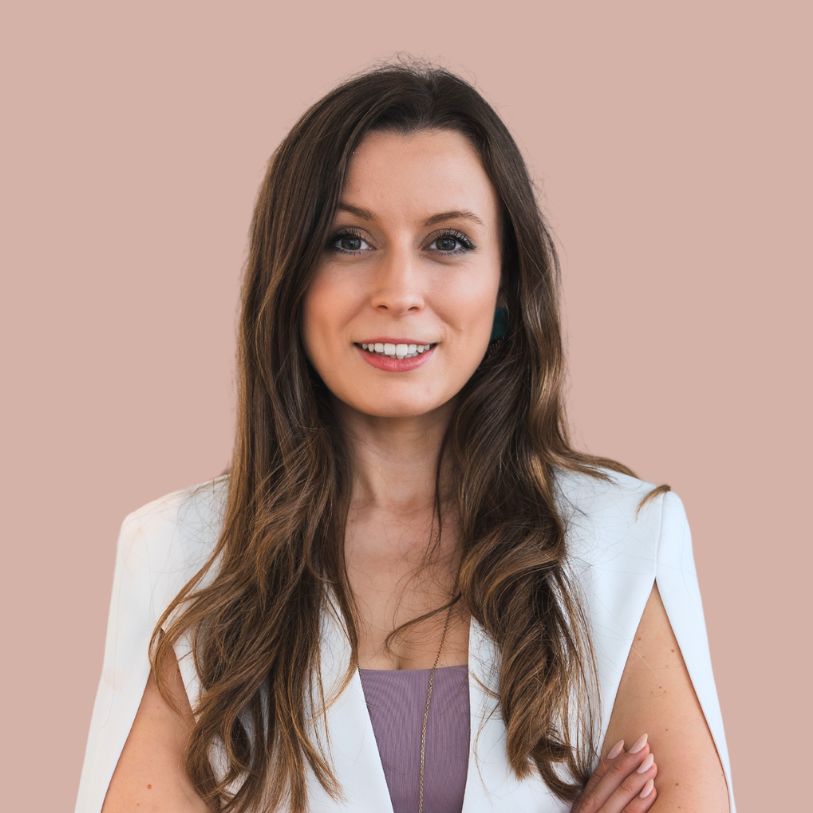
About the Author
Dr Laura Cretney is the Founder and CEO of Pink Jinn. She is a Social Entrepreneur, Researcher and Consultant based in Oman working at the intersection of international development, entrepreneurship and diaspora engagement.